
From Charlotte's Web to Here Is New York
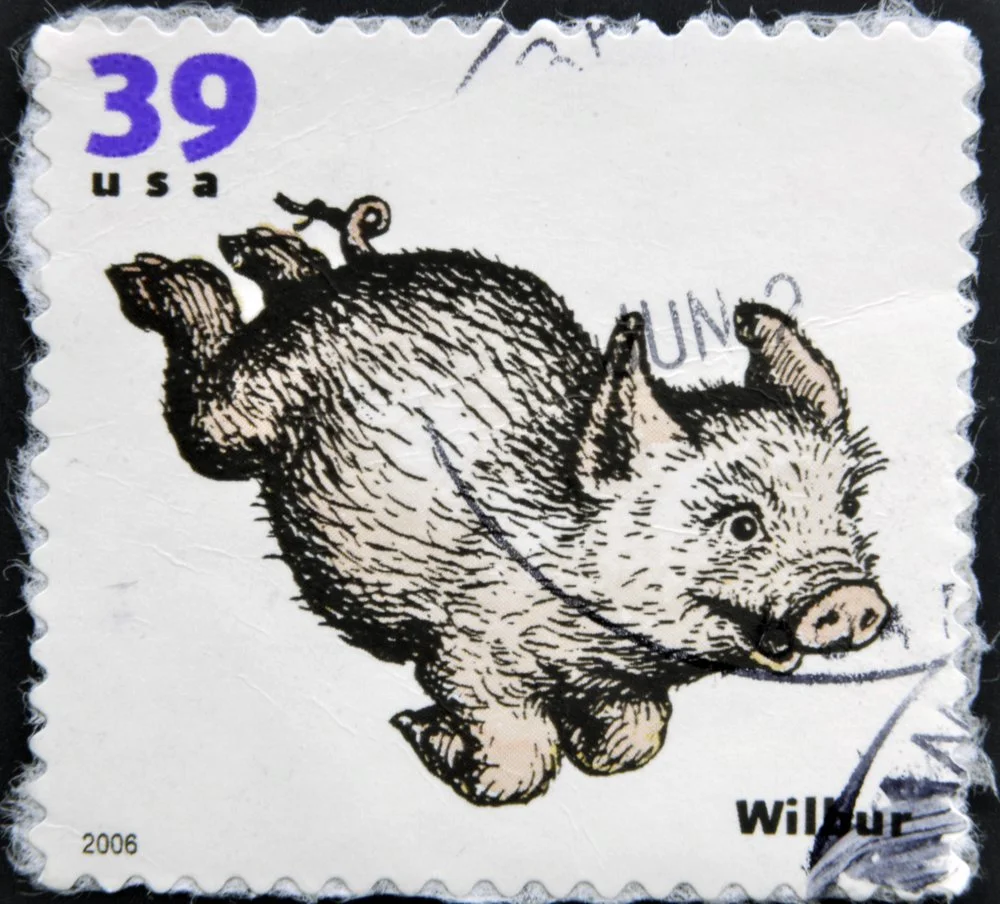
A 2006 stamp printed in USA featuring Wilbur the pig from E.B. White’s children’s novel, Charlotte’s Web. Image Source: Shutterstock
Our Book Policy: We default to Bookshop.org to support local stores, using Amazon only as a backup. As a Bookshop affiliate and Amazon Associate, we earn from qualifying purchases at no extra cost to you.
𐫱
My love affair with E.B. White began on a bedroom shelf, long before I ever understood the complex geometry of a metropolis. Like so many readers, my first introduction to his genius was through a cherished childhood boxed set containing three masterpieces: Charlotte’s Web, The Trumpet of the Swan, and Stuart Little. I still have that childhood set today, its worn spines a testament to how many times I traveled into White’s worlds.
It wasn't until later that I realized how deeply interconnected White’s imagination was with the physical geography of New York City. Stuart Little, the story of a heroic, dapper mouse born into a human family, is an absolute love letter to Manhattan. Stuart’s adventures unfold across the city, most famously when he sails his tiny toy schooner, the Wasp, in a high-stakes race across the conservatory water boat pond in Central Park. White brought the majestic energy of the city down to a mouse’s-eye view, making New York feel like a place of infinite possibility.
Years later, as an adult trying to navigate the messy realities of writing, I encountered White again—this time through the slim, legendary reference book The Elements of Style, co-authored with William Strunk Jr. The exact same voice that taught me empathy through a spider in a barnyard was now teaching me discipline, clarity, and precision on the page.
Intrigued by this leap from children's literature to strict grammar, I began looking into the man behind the prose. What I found was a life defined by sharp transitions, deep anxieties, and a brilliant, evolving philosophy on the ultimate urban landscape: New York City.
The Early Years: Formed by the Suburbs and the Great War
Elwyn Brooks White was born in 1899 in Mount Vernon, New York, growing up as the youngest child of a prosperous piano manufacturer. His youth was comfortable, filled with summers in Maine that planted a lifelong seed of love for the natural world. He attended Cornell University, where he earned his nickname "Andy" (a tradition for Cornell students with the last name White, after the university's co-founder Andrew Dickson White) and edited the student newspaper. After graduating in 1921, White drifted through a series of unfulfilling jobs, working as a reporter in Seattle and even taking a mess boy position on a ship to Alaska. He was a young man searching for a voice and a anchor, watching a rapidly modernizing post-WWI America pull itself into the sky.
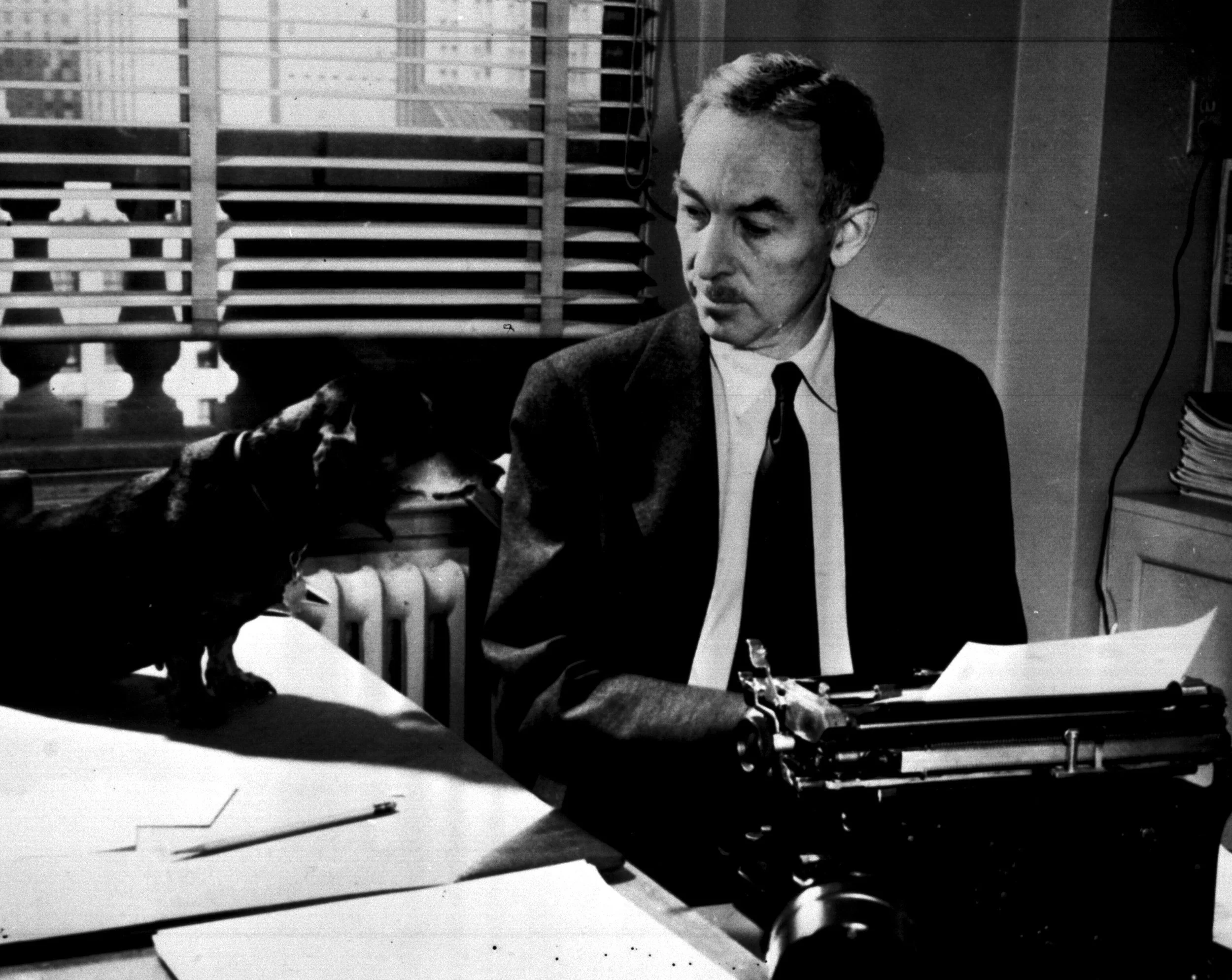
E.B. White (1899-1985). Image Source: Alamy
The New Yorker Era: Inventing Modern Urban Wit
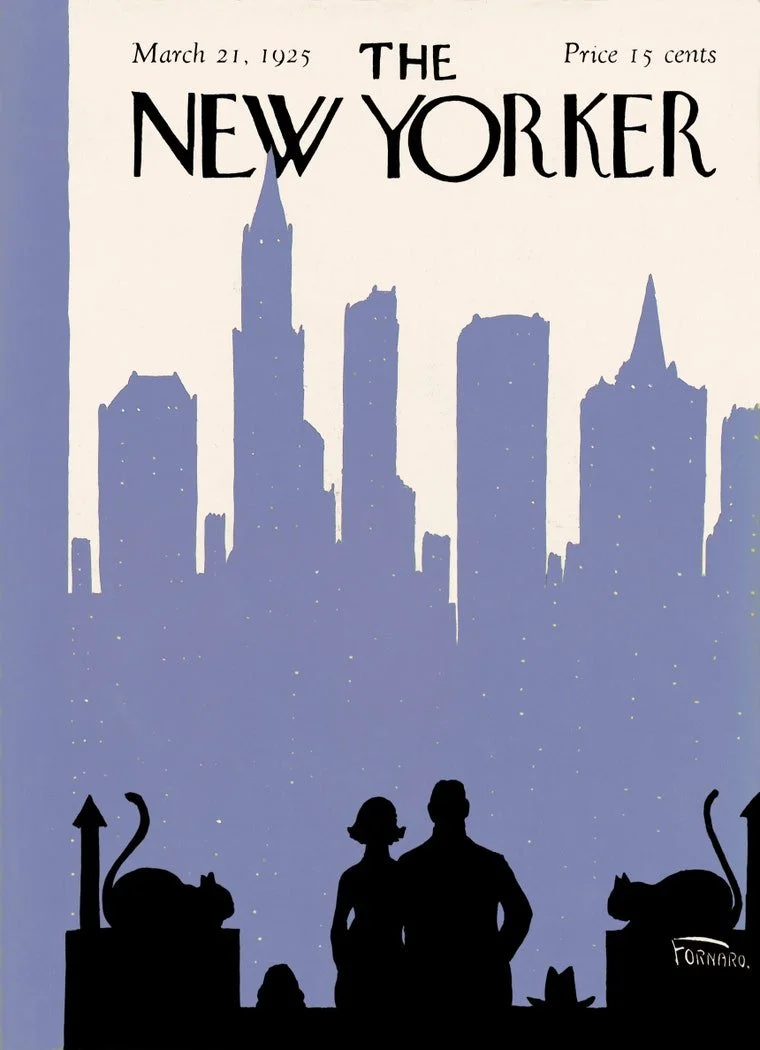
In 1926, White found his true spiritual home. A new magazine called The New Yorker had launched a year prior, aiming to capture the sophisticated, cynical, and vibrant energy of Manhattan. White submitted some casual sketches, and the editors quickly realized his style was exactly what the publication needed. He was hired full-time in 1927. Working alongside literary giants like James Thurber and his future wife, fiction editor Katharine Angell, White helped shape the magazine’s iconic "Talk of the Town" section. During this period, White fell deeply in love with the velocity of Manhattan. He viewed the city as an electric, hyper-stimulated ecosystem where the finest achievements of human commerce and art rubbed shoulders with everyday absurdities.
The Maine Retreat: Balancing the Pasture and the Pavement
By the late 1930s, the unrelenting pressure of the city and a battle with severe hypochondria and anxiety pushed White to seek a slower pace. In 1938, he and Katharine moved permanently to a saltwater farm in Brooklin, Maine. It was here, surrounded by sheep, geese, and spiders, that White entered his golden age of children's literature, penning Stuart Little (1945) and Charlotte's Web (1952). Yet, even as he tended to his farm, White’s mind constantly drifted back to Manhattan. He realized that leaving New York didn't erase it from his psyche; it simply granted him the perspective needed to analyze it cleanly. He famously noted that the two best moments in New York are just as you are leaving and must say goodbye, and just as you return and can say hello.
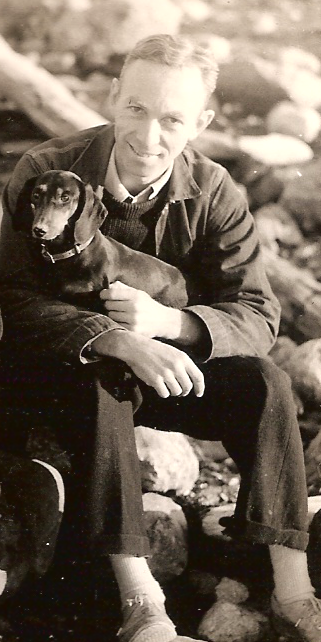
E.B. White with his dog, Minne. Image Source: Public Domain via Wikipedia
The Definitive Philosophy: Here Is New York
It was during a temporary return to a hot Manhattan hotel room in the summer of 1948 that White crystallized his entire philosophy on the metropolis by writing his masterpiece essay, Here Is New York. White looked past the physical steel and stone of the city to examine its emotional infrastructure. His core philosophy was that New York is a fragile miracle—an impossible city that shouldn't work, yet somehow succeeds through a collective human agreement. He viewed Manhattan as both a dangerous gamble and a protective sanctuary, famously writing that the city will take from you what you have to give and give you back what you can assume. He recognized that New York's ultimate value wasn't its wealth, but its capacity to hold room for every type of human soul, from the born-and-raised native to the wide-eyed dreamer stepping off a bus with a suitcase.