
Alone in a Crowd: How E.B. White Explains the True Privacy of New York City
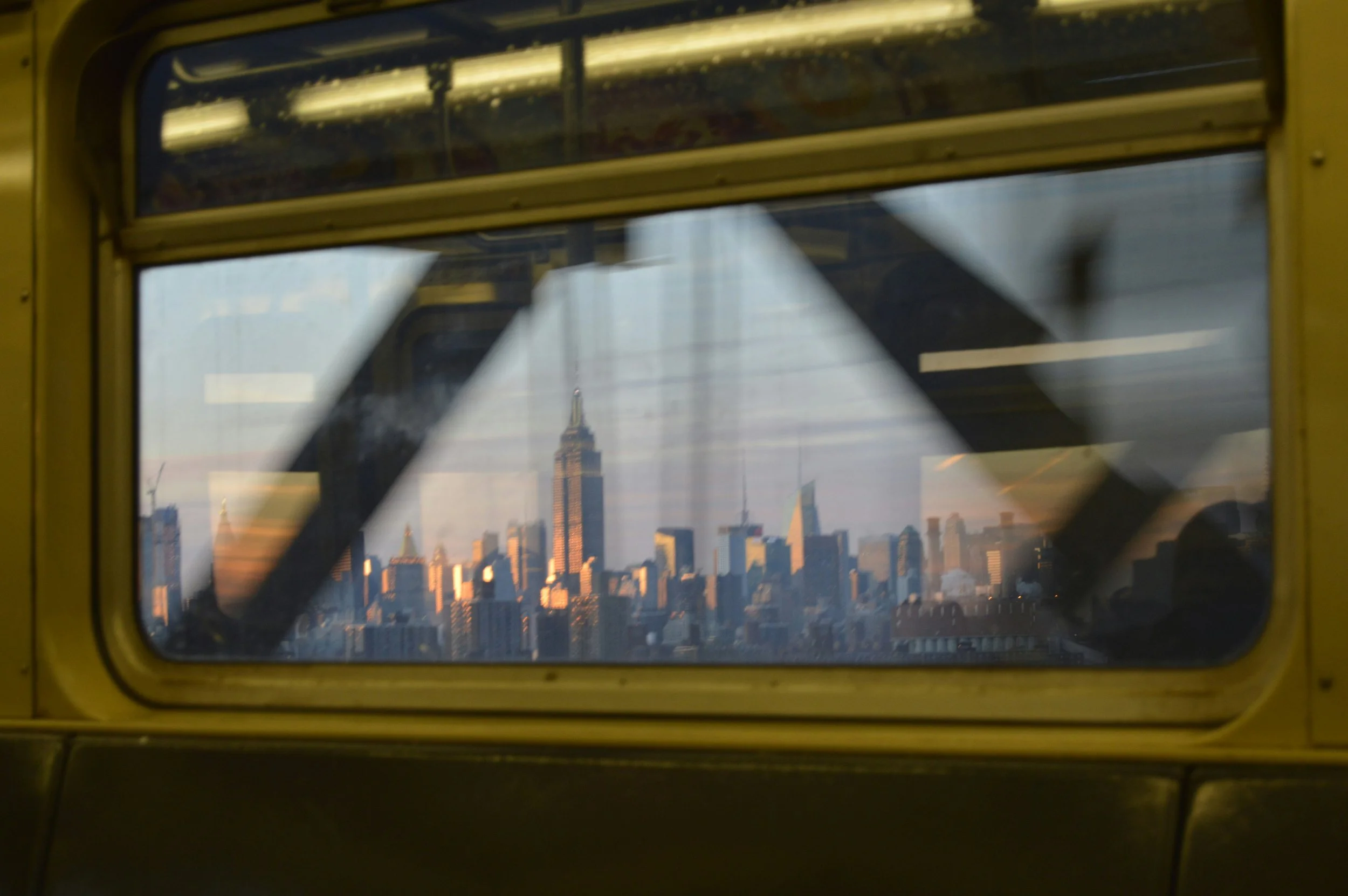
Image Credit: William Pei Yuan via Unsplash
Our Book Policy: We default to Bookshop.org to support local stores, using Amazon only as a backup. As a Bookshop affiliate and Amazon Associate, we earn from qualifying purchases at no extra cost to you.
𐫱
There is a specific kind of loneliness that belongs exclusively to New York City. It isn’t the hollow, tragic sadness of rural isolation; it is a thick, protective shield. It is the bizarre feeling of walking down a packed avenue, completely invisible to the thousands of people swirling past you, wrapped entirely inside the fortress of your own thoughts.
When E.B. White sat down to write Here Is New York in a sweltering room at the Algonquin Hotel, he didn't open his essay by praising the city’s soaring architecture or its massive economic power. Instead, he dedicated his very first paragraph to a couple of highly unusual, contradictory rewards:
"On any person who desires such queer prizes, New York will bestow the gift of loneliness and the gift of privacy. It is this largess that accounts for the presence within the city's walls of a considerable section of the population; for the situation of New York is such that no matter who you are or what you are, you are escaped from."
The "gift of loneliness" E.B. White observed has mutated into something far more complex in our modern world. In a culture driven by relentless digital tracking and the performative visibility of social media, true anonymity has transformed from a common state of being into an expensive luxury. New York City remains one of the few physical spaces on earth where a person can buy back their privacy simply by stepping out onto the pavement.
This concept of being "escaped from" reveals the true weight of White's argument. In a small town or a tightly knit suburban community, observation is a form of social currency; neighbors track your routines, your background, and your history. The Manhattan crowd, however, operates under a collective agreement of mutual disregard. By offering a shield of total indifference, the city allows its residents to shed the baggage of who they used to be, providing the psychological breathing room required to experiment with identity without the suffocating weight of local judgment.
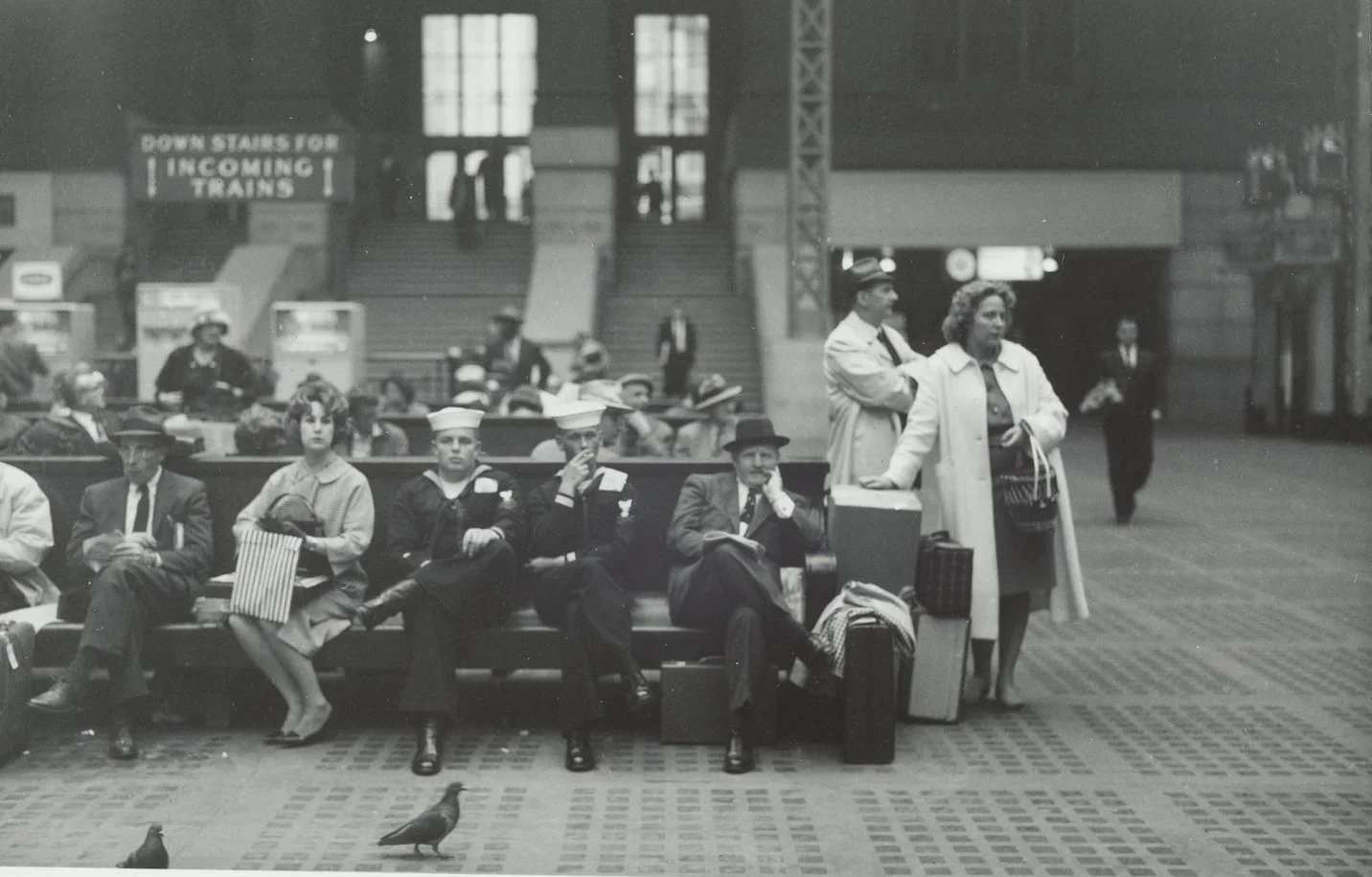
“Pennsylvania Station, New York,” May 19, 1961, The New York Public Library Digital Collections, Irma and Paul Milstein Division of United States History, Local History and Genealogy, The New York Public Library.
This urban defense mechanism faces a brand-new paradox in our current digital landscape. We live in an era where algorithms constantly demand our attention, track our locations, and monetize our interactions, making true isolation nearly impossible online. Yet, inside a crowded subway car or a packed neighborhood coffee shop, White's "gift of privacy" remains fully intact because New Yorkers have mastered the art of public solitude.
We see this survival tactic daily: the commuter reading a worn paperback on a chaotic train, completely detached from the physical proximity of a hundred strangers pressed against them, or the writer working for hours at a corner cafe table, fueled by the ambient energy of the room but entirely untouched by it. The metropolis uniquely allows you to be surrounded by the warmth of human life without the exhausting obligation of participating in it, fulfilling a fundamental desire to be part of a collective while remaining entirely uncompromised as an individual.
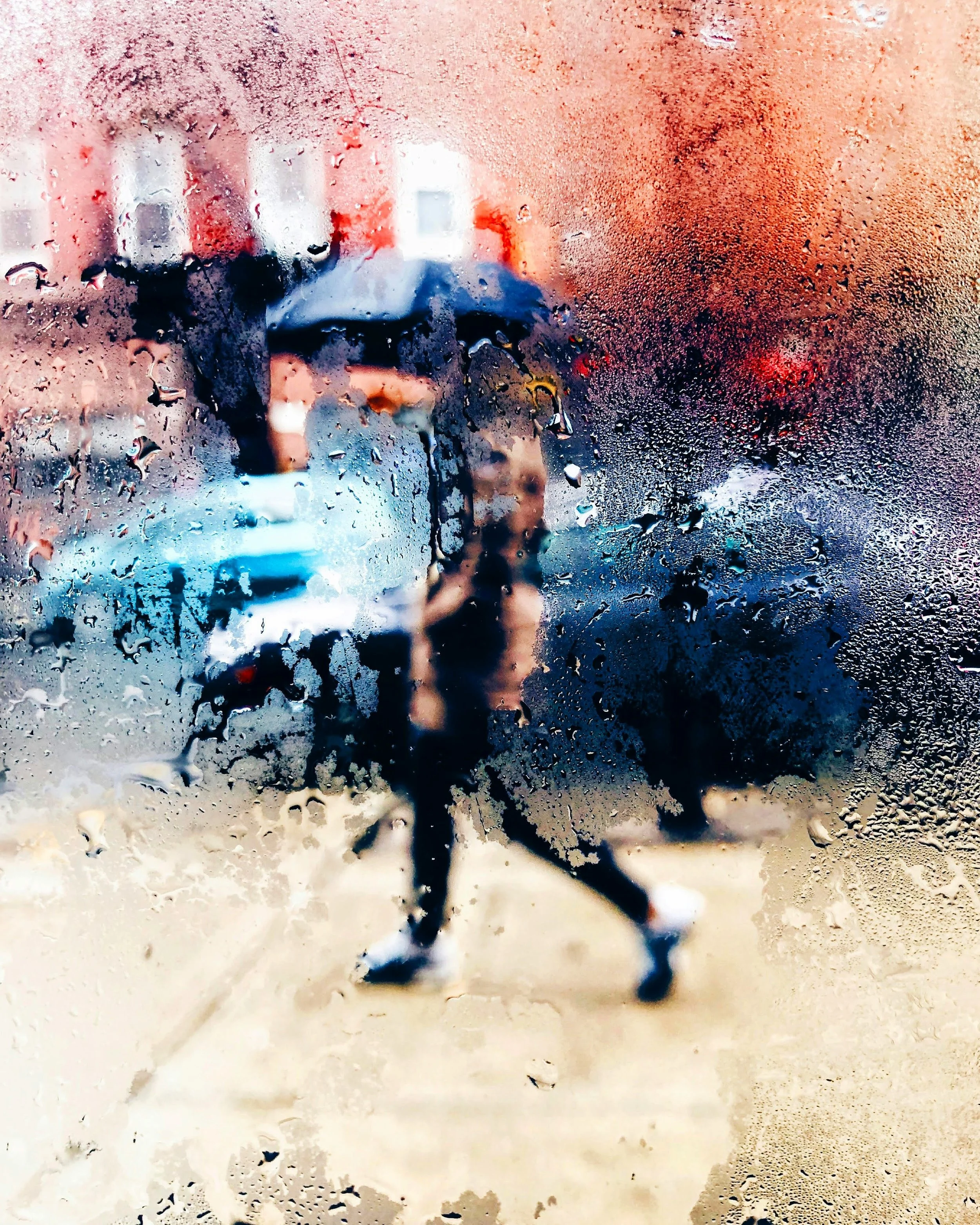
Image Credit: Matteo Catanese via Unsplash
However, White was careful not to romanticize this urban isolation as an uncomplicated blessing. The exact same mechanism that grants absolute freedom can easily warp into absolute neglect. The city’s indifference is a double-edged sword:
"No hit-and-run driver has ever flashily enriched the highway with a greater chunk of debris than a complete New Yorker sends spinning into the canyon when he dies unobserved. The city wears a blindfold. It will take from you what you have to give and give you back what you can assume."
This is the high-stakes gamble of the Manhattan lifestyle. The city will never check on you, it will never ask where you went, and it will never offer a safety net when you fall. If you do not possess the internal scaffolding to support your own solitude, the "gift of loneliness" can quickly turn into crushing, agonizing isolation. The metropolis accepts your presence but remains entirely unconcerned with your survival. It demands that you convert your anonymity into autonomy, using the vast stillness of the crowd to build something substantial, rather than letting the sheer scale of the city erase you completely.